Add a Curriculum Bundle to Your Account!
Please select a bundle.



The Pack contains associated resources for the learning experience, typically in the form of articles and videos. There is a teacher Pack (with only teacher information) and a student Pack (which contains only student information). As a teacher, you can toggle between both to see everything.
Here are the teacher pack items for Patriots vs. Loyalists – The Debate Over Independence:

Overview In this experience, students explore the differences between Patriot and Loyalist perspectives on the American Revolution by evaluating primary and secondary sources and developing claims supported by evidence. They begin with an overview of the reasons colonists chose to give allegiance to the Patriots, the Loyalists, or remain neutral. Next, students analyze curated primary and secondary sources that present different perspectives on allegiance from both sides. Then, they write two claims to show which side had the stronger reasons for their allegiance and support their claims with evidence. Finally, students share their ideas in small-group discussions, considering how studying multiple perspectives deepens their understanding of the causes of the war. The Evaluate scene also provides students with the opportunity to reflect on their research, writing, and discussion skills. Estimated Duration: 45–60 minutes Vocabulary Words and Definitions: Objectives:
Although this experience does not include any elements that require group work, students will participate in a discussion in the Elaborate scene where they share and compare their claims with partners or small groups.
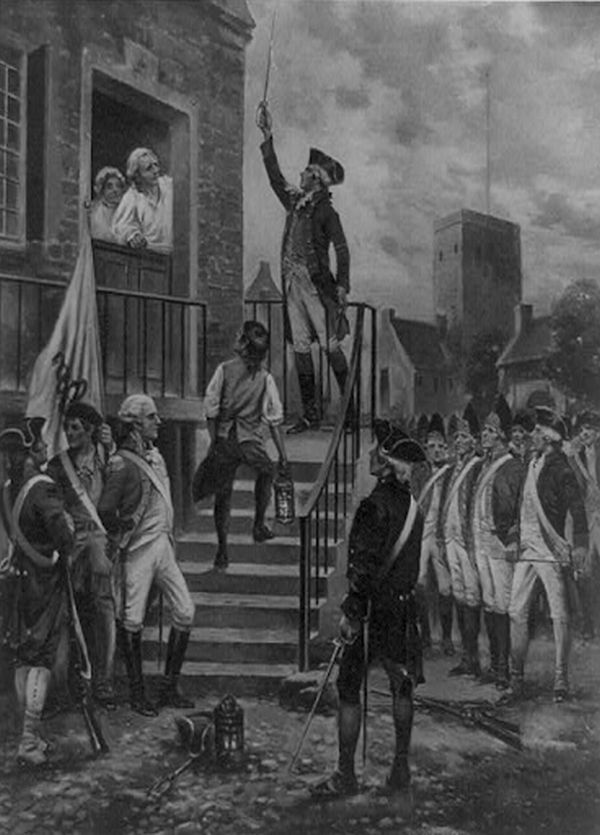
Patriot Soldier, Ethan Allen, demanding the surrender of Fort Ticonderoga
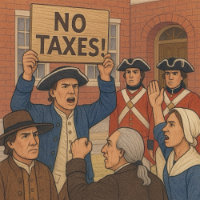
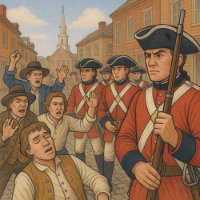
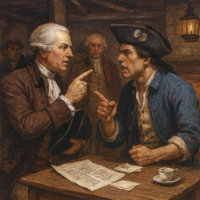
As you have learned, colonists during the American Revolution did not all agree on what was best for the future. Some supported independence from Britain and were called Patriots. Others stayed loyal to the British king and were known as Loyalists. These opposing sides had different reasons for their beliefs.
Which factor do you think most influenced which side colonists supported during the American Revolution?
After the poll, ask students to use reasoning to explain why they chose their response and what influenced their thinking. For added engagement, consider starting with a Four Corners activity where students move to a corner of the room based on their opinion, then explain their reasoning before returning to the platform to complete the poll.
In this experience, you will compare the perspectives of Patriots and Loyalists to evaluate what influenced their allegiances and why those choices mattered.
Objectives: