Add a Curriculum Bundle to Your Account!
Please select a bundle.



The Pack contains associated resources for the learning experience, typically in the form of articles and videos. There is a teacher Pack (with only teacher information) and a student Pack (which contains only student information). As a teacher, you can toggle between both to see everything.
Here are the teacher pack items for African American Rights During Reconstruction:

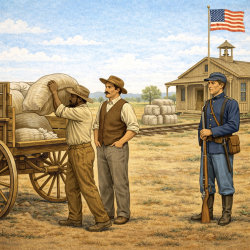
Overview Students brainstorm what challenges people might face when they become free. Then they learn about issues facing freed African Americans, including sharecropping and education. Next they examine the rise of the Ku Klux Klan and Black Codes, and they explain how these were forms of extreme violence. Finally they read about some of the early African American politicians in Texas. If you have access to leveled readers about sharecroppers or other freedmen’s experiences, assign them to the students in parallel to this experience. Estimated duration: 35-45 minutes Discovery Reading A printable Discovery Reading is included in the student pack as a support for understanding the experience’s core content and concepts. This Discovery Reading is not necessary to complete the experience and serves as an optional support resource. Vocabulary Words: These vocabulary words are used in the experience or connect closely to the standards and content students examine. Students should understand these terms as they work through the experience. Objectives
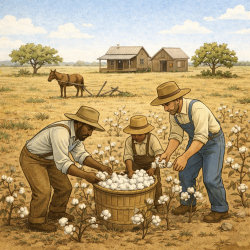
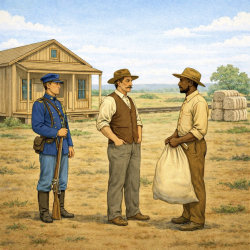
Among the people whose lives changed most after the Civil War were formerly enslaved people. Freedom brought new opportunities, but it also brought many challenges. People who had been enslaved had to seek education, find work, and build safe and stable lives for themselves and their families. In this experience, you will continue to learn about the challenges African Americans faced during Reconstruction.
Objectives
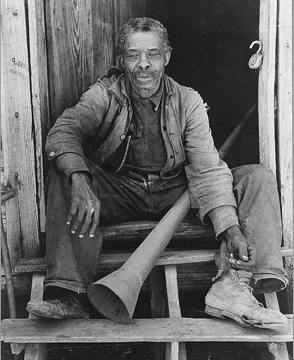
A formerly enslaved person living in Texas in 1939.
The horn he is holding was once used to call enslaved people in from the fields.
Imagine you were not allowed to make your own choices and had to work for someone else your whole life. You did not get paid, and you could not decide where to live or what to do. The person in charge gave you food, clothes, and a place to stay, but you were not free.
Guide students to think about what it would feel like to suddenly be free but without resources or support. Encourage them to share ideas about emotions (such as excitement, confusion, or fear) and challenges (like finding food, shelter, or work). You may want to model a response first to help students get started. As students share, gently connect their ideas to the experiences of formerly enslaved people after the Civil War, helping them understand that freedom was an important change, but it also came with many difficulties.