Indigenous People and the Environment


Indigenous People and the Environment
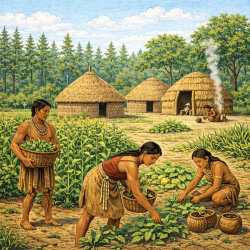
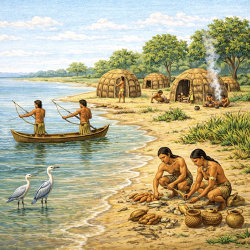
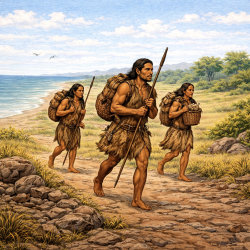
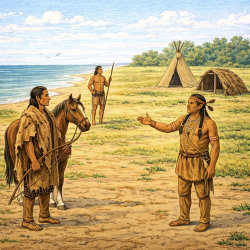
Students describe their own relationship to the environment. Then they analyze hunter-gatherers and the nomadic indigenous groups’’ relationship with American bison. Next they analyze early farming communities and how irrigation impacted settlement. Finally, they explain how people in the different indigenous culture regions adapted to the physical regions.

This learning experience is designed for device-enabled classrooms. The teacher guides the lesson, and students use embedded resources, social media skills, and critical thinking skills to actively participate. To get access to a free version of the complete lesson, sign up for an exploros account.

1:1 Devices
Teacher Pack

The Pack contains associated resources for the learning experience, typically in the form of articles and videos. There is a teacher Pack (with only teacher information) and a student Pack (which contains only student information). As a teacher, you can toggle between both to see everything.

Here are the teacher pack items for Indigenous People and the Environment:

Preview - Scene 1
Exploros Learnign Experience Scene Navigation


Overview

In this experience, students describe their own relationship to the environment. Then they analyze hunter-gatherers and the nomadic indigenous groups’ relationship with American bison. Next they analyze early farming communities and how irrigation impacted settlement. Finally, they explain how people in the different indigenous culture regions adapted to the physical regions.

If you have access to leveled readers about indigenous people and buffalo, assign them to the students in parallel to this experience.

Estimated duration: 35-45 minutes


Discovery Reading

A printable Discovery Reading is included in the student pack as a support for understanding the experience’s core content and concepts. This Discovery Reading is not necessary to complete the experience and serves as an optional support resource.

Vocabulary Words:

These vocabulary words are used in the experience or connect closely to the standards and content students examine. Students should understand these terms as they work through the experience.

  • hunter-gatherers: people who got food by hunting animals and gathering wild plants instead of farming.
  • nomadic: moving from place to place instead of living in one permanent home.
  • irrigation: a way of bringing water to crops, especially in dry places, so plants can grow.
  • settlement: a place where people live, such as a village or community.
  • culture region: an area where groups of people share similar ways of life, such as food, homes, and traditions.
  • adapt: to change the way you live so you can meet your needs in your environment.
  • sacred: considered special or holy because of religious or spiritual meaning.
 

Objectives

  • Describe the indigenous cultural regions.
  • Explain how indigenous people adapted to the environment.


Engage


The natural world is present in all aspects of indigenous people of the Americas’ lives—religion, daily rituals, stories, food, medicine, art, and so much more. In general, many indigenous groups’ way of life was tied to the land and the environment. In this lesson, you will learn more about the relationship between indigenous people and the environment.

Objectives
  • Describe the indigenous cultural regions.
  • Explain how indigenous people adapted to the environment.


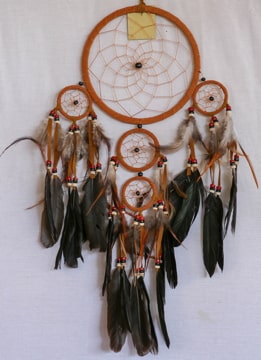
An image of an Indians made dream catcher

Some indigenous people made dream catchers as good luck charms to catch nightmares while they slept.


How would you describe your relationship with the environment?



Sample answers:

  • I try to recycle to protect the environment.
  • I use a lot of electricity in my daily life.
  • We have a vegetable garden at home.
Give students a few minutes to discuss their responses.


When everyone is ready to continue, unlock the next scene.

End of Preview
The Complete List of Learning Experiences in Texas Geography and Its Indigenous People Unit.
Would you like to preview the rest of this learning experience, and get access to the entire functioning Texas Studies course for your classroom? Sign up using your school email address below.
Back to top